
What to Expect in a Background Check for Police Officers
- January 7, 2026
- Posted by: Esther Raitport
- Category: background check tips
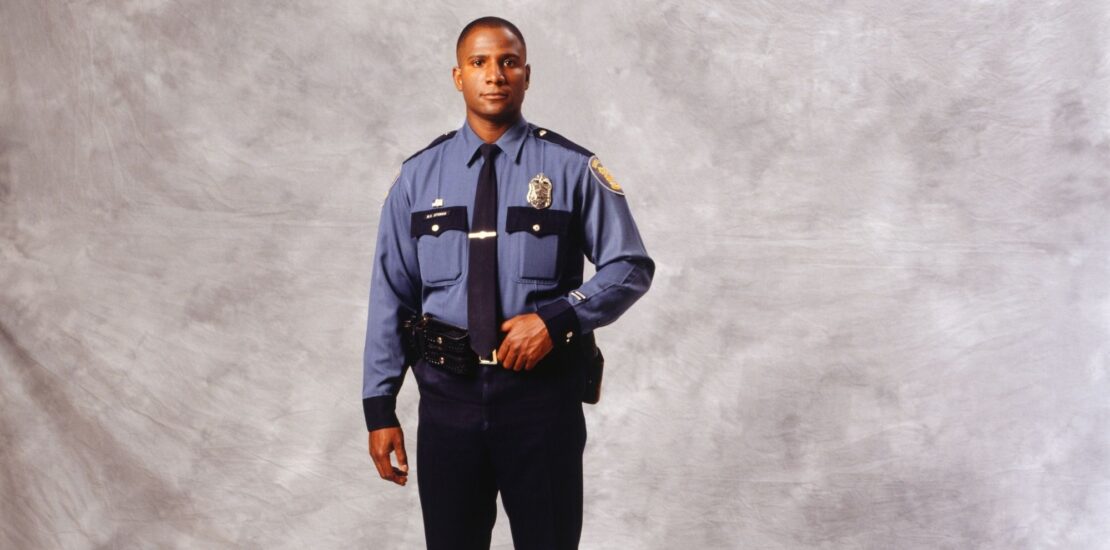
A background check for police officers is a detailed review used to decide whether a candidate is suitable to serve in a law enforcement role. A background check for police officers goes far beyond a basic employment screen because police officers hold authority, access sensitive records, and make decisions that affect public safety. For this reason, law enforcement agencies rely on a structured background investigation process to confirm identity, review records, and evaluate conduct. This article explains how the background process works, what information is reviewed, and what applicants should expect during each phase.
At Sapphire Check, we provide fast, accurate, and FCRA-compliant background checks for employers and organizations across the United States. Our services support regulated hiring by delivering verified records, secure reporting, and customizable screening packages. Sapphire Check combines experienced investigators with advanced screening tools to help employers reduce hiring risk and make informed decisions.
Why This Background Check Is Different
A background check for police officers focuses on trust, judgment, and consistency rather than surface-level qualifications. A police officer has the authority to detain, investigate, and use force under the law, which means past conduct and decision-making matter. Law enforcement officers are expected to meet higher standards because their actions reflect on the department and the agency they serve. This is why the background investigation reviews many areas of a person’s history.
While requirements vary by jurisdiction, most police departments follow a similar structure. The goal is to determine whether the candidate meets minimum standards and whether the information provided matches verified records. In many cases, honesty during the investigation carries as much weight as the underlying facts. A background check for police officers is designed to identify patterns, not perfection.
Where the Background Investigation Fits in the Hiring Process
The hiring process usually begins with the application process, where applicants submit a job application and initial paperwork. Many departments also require a written exam, early screening, and structured interviews. A physical ability test and physical fitness evaluation are often required to confirm readiness for the role. These early steps help narrow the pool to candidates who meet baseline standards.
Once those steps are passed, the background investigation process begins. This phase is often the longest because it involves record requests, verification, and personal contact. A background investigator reviews documents, contacts references, and checks databases. A background check for police officers usually moves forward only after each prior phase is complete.
If you are looking for a reliable way to manage background checks for police and public safety roles, we offer screening services built specifically for high-trust positions. Our background checks for police and public safety officers support agencies throughout the hiring process by delivering verified criminal history, employment, education, and identity checks in a secure and compliant manner. We offer customizable screening packages designed to align with agency requirements, jurisdictional standards, and FCRA obligations, helping departments move candidates forward with confidence.
Step-By-Step Overview of the Background Investigation Process
A background check for police officers follows a structured process, even though details differ by department. The investigation starts when the candidate signs the required releases and submits a complete packet. The investigator then begins record checks and verification. Later phases may include interviews, testing, and final review.
Most agencies move through clear phases. These include document review, records searches, personal interviews, and final reporting. The investigation may pause or stop if disqualifying information is found. The outcome is a documented report used by personnel involved in the selection process.
What You May Need to Provide
During a background check for police officers, candidates are required to submit identity and eligibility documents. Many agencies request a birth certificate or other proof of identity, sometimes requiring certified copies. Applicants may also need to provide education records, employment documentation, military records, if applicable, and proof of legal eligibility to work.
The investigation often does not begin until all paperwork is complete. Missing documents, unsigned forms, or unclear details can delay the background process. Keeping copies of everything submitted and verifying accuracy helps reduce delays. When the information provided is clear, investigators can move through the process more efficiently.
According to federal guidance from the U.S. Federal Trade Commission, employers must follow specific steps when using a third-party screening company to run a background report, including getting written permission from the applicant and providing a copy of the report if it is used to take an adverse hiring action. The FTC explains that employers must disclose that they may use the background information for hiring decisions, obtain the candidate’s consent in writing, and, if a candidate is turned down based on the report, provide both the background report and a summary of rights under the Fair Credit Reporting Act.
Criminal Record And Criminal History Checks
A background check for police officers includes a thorough review of criminal records and criminal history information. This may include county, state, and federal records, depending on the jurisdiction. Agencies review arrests, charges, convictions, and court outcomes. Records are checked to confirm accuracy and consistency with what the candidate disclosed.
Certain issues can stop the process. Felony convictions are common disqualifiers, and many agencies disqualify candidates for violent crimes or serious offenses. A history of domestic violence is also a major concern because it affects eligibility and public trust. In a background investigation, failing to disclose past crime or providing false information often leads to disqualification.
Employment History Verification
Employment review is a key part of the background check for police officers. A background investigator verifies employment history, job titles, dates, reasons for separation, and eligibility for rehire. Investigators may also speak with supervisors or coworkers to assess conduct and reliability.
Gaps in employment, conflicting dates, or unclear explanations often lead to follow-up questions. Investigators compare records with the job application and interview responses. When details do not match, the investigator may request clarification or additional documentation. Consistency is critical during this part of the investigation.
Education And Career History
Education verification confirms that candidates meet minimum hiring standards and supports long-term career readiness. Agencies verify high school completion and may review college transcripts or degrees when required. Training programs and certifications may also be reviewed, especially for lateral or specialized jobs.
A background check for police officers may also review academic conduct or disciplinary records when relevant. Educational history is used to confirm honesty and follow-through, not to judge academic performance alone. Clear records help investigators complete this phase without delays.
Credit History And Financial Responsibility
Many police departments review credit history as part of the background investigation. Financial patterns can influence decision-making and may indicate risk if unmanaged. Investigators may review public financial records, debts, or court filings related to finances.
Financial difficulty alone is not always disqualifying. Agencies often look for honesty and stability rather than perfect credit. When candidates accurately disclose their history and provide context, investigators can better evaluate risk. Hidden or misleading financial information creates concern during the background check for police officers.
References, Interviews, And Personal Contacts
Investigators often contact professional and personal references to confirm character and reliability. Many agencies also speak with neighbors, friends, and sometimes relatives. These interviews help confirm address history and assess behavior not shown in records.
If references contradict application details, the investigator may conduct further interviews. Unreachable references can also slow the process. Providing accurate contact information and preparing references in advance helps keep the investigation moving.
Drug Testing, Medical, And Integrity Testing
Drug screening is standard in a background check for police officers. Agencies use drug tests to confirm compliance with policy and law. Prior drug use disclosures are reviewed for accuracy and consistency with records and interviews.
Medical evaluations assess whether the candidate can safely perform required duties. Psychological testing may also be included to evaluate decision-making under stress. Some agencies use a polygraph test or similar polygraph tools to confirm truthfulness. These tests focus on verifying disclosures rather than punishing past behavior.
Common Disqualifiers And Reasons Candidates Do Not Pass
Certain findings often lead to disqualification during a background check for police officers. These include felony convictions, serious misconduct, and violence-related offenses. Many agencies also disqualify candidates for dishonesty, false statements, or omissions during the investigation.
One of the most common reasons applicants do not pass is inconsistency. When records, interviews, and forms do not match, investigators question reliability. In many cases, transparency matters more than the issue itself. Accuracy throughout the background investigation process is essential.
How Long Does the Background Process Take
The length of a background check for police officers varies based on complexity. Candidates with multiple addresses, prior agencies, or extensive employment history may require more time. Records requests and reference responses also affect timelines.
Delays often happen when packets are incomplete or when contact information is outdated. Investigators may also need extra time when conflicts appear in records. Candidates who prepare documents early and respond quickly help reduce delays during the background process.
How To Prepare Before Meeting The Investigator
Preparation focuses on organization and accuracy. Gather required documents early, including certified copies and a birth certificate if requested. Create a clear timeline of addresses, employment, and education with accurate dates.
Choose references who can speak clearly about your conduct and skills. Confirm that contact details are current so investigators can reach them. Review your packet carefully before submission to confirm everything is complete and accurate.
Conclusion
A background check for police officers is a structured investigation designed to confirm identity, verify records, and evaluate honesty across every phase of the hiring process. It commonly includes criminal history review, employment and education verification, credit history checks, reference interviews, and testing such as drug, medical, and polygraph exams. Candidates who prepare carefully, disclose information accurately, and respond promptly tend to move through the process more smoothly. The goal of the investigation is to support safe, lawful, and responsible hiring.
Sapphire Check supports employers and agencies with reliable, FCRA-compliant background checks built for high-trust roles. Our services provide verified records, secure handling of data, and clear reporting to support confident hiring decisions. If your organization needs dependable screening support, contact us to discuss a background check solution aligned with your hiring needs.
FAQs
How far back does a background check for police officers go?
Most police departments review at least several years of address, employment, and records history, and some ask for ten years or more. The scope depends on the agency and jurisdiction. The more complete your history is, the easier it is for the investigator to verify.
What disqualifies you in a background check for police officers?
Felony convictions, serious violence-related offenses, and a history of domestic violence are common disqualifiers. Many agencies also disqualify candidates for dishonesty, omissions, or false statements during the investigation. A pattern of misconduct or unreliable conduct can also stop the hiring process.
Do police departments check credit history in background investigations?
Yes, many police departments review credit history as part of the background investigation process. They look for patterns that may affect responsibility and decision-making. Financial problems are not always automatic disqualifiers, but hidden or misleading information can be.
What happens if you fail the polygraph test?
Policies vary, but a polygraph test is usually used to verify the truthfulness of information provided. If results raise concerns, the investigator may ask follow-up questions or request more documentation. A failure can lead to disqualification if it points to dishonesty or unresolved conflicts in the background.

Esther Raitport works at Sapphire Background Check, where she helps companies strengthen their hiring procedures through reliable, legally compliant background investigations. She writes about hiring best practices, compliance, and smarter screening strategies for employers.