What Is a 10 Panel Drug Test in Background Checking?
- April 8, 2026
- Posted by: Esther Raitport
- Category: background check tips
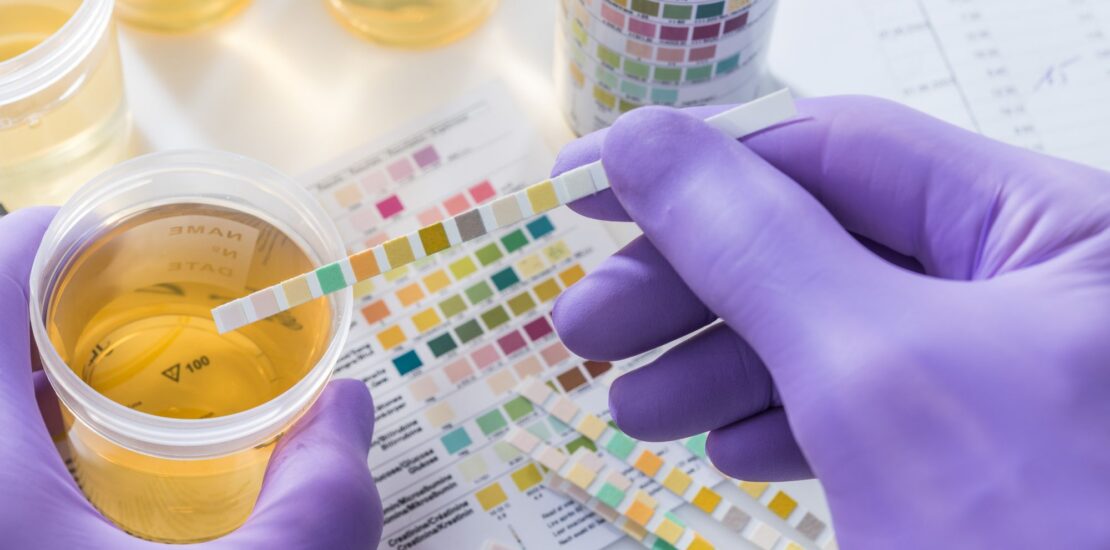
A 10 panel drug test is a type of drug testing used to screen a person’s system for ten commonly abused controlled substances, including both prescription drugs and illegal drugs. It works by identifying drug metabolites, which are chemical traces left in the body after a substance is processed. Because it checks a broader range of substances, this panel drug test is commonly used in workplace drug screening programs to detect recent drug use and support safer hiring decisions.
At Sapphire Check, background screening includes structured and compliant drug testing services for employers across the United States. We support drug screening, identity verification, and employment checks with fast turnaround, secure analysis, and alignment with applicable laws. This allows organizations to maintain a drug-free workplace while improving hiring confidence and operational consistency.
What Does a 10 Panel Drug Test Mean in Background Checking?
A 10 panel drug test is used in background checks to identify potential risks related to drug abuse before or during employment. Many private employers rely on this type of drug screening to reduce liability and improve workplace safety. The test helps determine whether an individual has recently used illicit substances or misused prescription medications, which may affect job performance or compliance requirements.
This type of panel drug screening is commonly used in pre-employment checks, post-incident reviews, and random drug testing programs. It may also be used when employees return to work after an absence or when there is a reasonable suspicion of drug use. Because it includes both five illicit street drugs and several prescription categories, it provides broader insight than basic testing.
What Does a 10 Panel Drug Test Test For?
A 10 panel drug test screens for ten types of drugs by detecting drug metabolites in the urine or other samples. These metabolites show the presence of substances after the body processes them. The test commonly includes:
- Marijuana: Detects THC and cannabis compounds that remain in the body after use.
- Cocaine: Includes forms such as powder cocaine and crack cocaine.
- Amphetamines: Covers stimulants, including methamphetamine and certain prescription treatments.
- Opiates: Includes drugs such as codeine, morphine, and heroin.
These substances represent a mix of illicit street drugs and commonly abused medications. Standard panels may vary slightly depending on the provider, but they are designed to cover the most common forms of controlled substances linked to workplace risk.
How a 10 Panel Drug Test Works?
A 10 panel drug test works by identifying drug metabolites rather than measuring current impairment. These metabolites remain in the person’s system after the body processes a drug, allowing labs to confirm recent exposure. The presence of these markers helps employers evaluate whether drug use occurred within a certain timeframe, even if the substance is no longer active.
The most common method is a urine drug test, which is widely used because it is simple, noninvasive, and cost-effective. Urine tests are generally reliable for detecting a wide range of substances, which is why they are standard in employment screening programs. Other methods, such as saliva tests, hair testing, or blood testing, may also be used, but they are less common in routine workplace drug testing.
Detection Window and Detection Times
The detection window refers to how long a substance remains detectable in the body after use. Detection times vary based on the type of drug, the amount used, frequency, and individual metabolism. A 10 panel drug test does not measure current impairment but instead identifies traces left behind in the body.
For many substances, the detection window is typically between 2 and 4 days. However, some drugs may remain detectable longer, especially for chronic users. Marijuana, for example, may stay in the system for several weeks depending on usage patterns, while drugs like cocaine or amphetamines are generally detectable for shorter periods. These differences highlight why detection times vary across individuals and substances.
What Happens During a 10 Panel Drug Test?
The process of a 10 panel drug test follows a structured approach designed to maintain accuracy and compliance. Before the test, the test administrator may provide instructions such as avoiding excess fluid intake and disclosing any prescription medications or medications that could affect results. Consent forms are also required, especially for private employers, following applicable laws.
During the test, the individual provides a urine sample, usually in a controlled setting such as a designated restroom. Procedures may be used to prevent tampering, including restricted access to water or monitored collection conditions. After collection, the sample is sent to a lab for analysis, where a lab test checks for drug metabolites and confirms whether the test detects substances above cutoff levels.
Understanding Drug Test Results
A 10 panel drug test produces three possible outcomes: negative, positive, or inconclusive results. These outcomes help employers interpret whether substances were detected in the person’s system and whether further review is required.
- Negative result: No detectable substances were found above the cutoff level.
- Positive result: Drug metabolites are present in detectable amounts in the system.
- Inconclusive results: The test was not successful or requires retesting due to sample issues.
A positive result does not always indicate illegal activity, as some prescription drugs may produce similar findings. Additional review may be required to confirm accuracy and context.
False Positives and Confirmatory Testing
False positives can occur when a urine drug test detects substances that were not actually used. This can happen due to certain foods, supplements, or medications that interact with the test. For example, poppy seeds may produce results that resemble opiate use, even when no drug abuse has occurred.
To reduce errors, labs may conduct a second lab test using advanced confirmation methods. A medical review officer evaluates non-negative results, reviews medication disclosures, and confirms findings before final reporting. This process improves the accuracy of drug test results and supports fair outcomes for both employers and individuals.
10 Panel Drug Test vs 5 Panel Drug Test
A 10 panel drug test includes all substances found in a basic 5-panel test along with additional categories such as benzodiazepines and barbiturates. This expanded coverage makes it more suitable for roles where risk exposure is higher or where substance abuse may impact safety or compliance.
Employers choose between these tests based on job requirements, industry standards, and workplace policies. While a 5-panel test is more common for general screening, a 10 panel drug test provides broader insight into both illicit substances and prescription-related risks.
When Employers Use a 10 Panel Drug Test?
Employers use this type of drug screening in several situations to manage workplace risk and maintain safety. It is commonly used during hiring, after workplace incidents, and as part of ongoing monitoring programs.
- Pre-employment screening
- Random drug testing programs
- Post-accident investigations
- Return-to-work testing
Industries such as healthcare, transportation, and construction often rely on this testing approach due to higher safety standards and regulatory expectations.
Legal and Compliance Considerations
Employers must follow applicable laws when implementing drug testing programs. This includes obtaining written consent, maintaining confidentiality of test results, and complying with federal and state laws. Drug testing policies must be applied consistently to avoid discrimination and ensure fairness across all employees.
According to the Federal Trade Commission, employers must obtain written permission before conducting a background check and must follow specific steps if they use the results to make hiring decisions. Applicants also have the right to review their report and dispute inaccurate or incomplete information. These requirements are part of the Fair Credit Reporting Act, which governs how background checks, including drug screening as part of hiring processes, are handled.
State-specific regulations, especially those related to marijuana use, can affect how employers interpret results. While some states allow certain uses, employers still need to follow workplace policies and safety requirements. Clear documentation and consistent procedures help maintain compliance and reduce legal risk.
At Home and Online Drug Testing Options
A 10 panel drug test can sometimes be ordered to test online and performed at home using urine tests. These kits provide quick screening results and are often used for personal awareness or preliminary checks. They are generally simple to use and provide immediate feedback on the presence of certain substances.
However, at-home testing may not meet employment or legal requirements because it lacks verified sample collection and chain of custody. Employers typically require testing through certified labs to maintain accuracy and compliance. This structured approach helps ensure that results are reliable and defensible.
What Employers Should Look For in a Drug Screening Partner
Selecting a reliable provider affects the quality and consistency of drug screening results. Employers benefit from services that combine accurate testing, fast turnaround, and compliance support.
- Reliable lab testing and clear reporting
- Fast turnaround for drug test results
- Access to a medical review officer for result validation
- Nationwide coverage through an extensive network
A consistent and compliant process helps employers manage risk and maintain efficient hiring workflows.
If you are looking for more advanced and flexible screening options, we offer tailored solutions through our advanced drug testing services. These programs support broader detection panels, faster turnaround, and reliable lab-backed results designed for workplace compliance. Our approach helps employers manage risk more effectively while maintaining consistent and accurate drug screening across different roles and industries.
Conclusion
A 10 panel drug test provides employers with a broader method of screening for multiple substances within a defined detection window. It identifies drug metabolites rather than active impairment, and detection times vary depending on the substance and individual factors. The process includes structured sample collection, lab analysis, and review of results to support accurate outcomes. This approach helps employers maintain workplace safety and make informed hiring decisions.
At Sapphire Check, employers can access reliable and compliant drug screening services designed to support hiring and background checking processes. The company delivers accurate testing, fast turnaround, and nationwide coverage through a structured system. Contact us to learn how professional drug screening can support your workforce and hiring goals.
FAQs
What is a 10 panel drug test used for in background checking?
A 10 panel drug test is used to detect ten types of substances during employment screening to identify recent drug use and support safe hiring decisions.
How long do drugs stay detectable in a 10 panel drug test?
Most drugs are detectable for 2 to 4 days, while some substances like marijuana may remain longer, depending on frequency of use and metabolism.
Can prescription drugs cause a positive result?
Yes, certain prescription medications can lead to a positive result, which is why disclosure and review by a medical review officer are required.
Are urine tests the only method used in drug testing?
No, other methods such as saliva tests, hair testing, and blood testing exist, but urine tests are the most commonly used in workplace drug screening.

Esther Raitport works at Sapphire Background Check, where she helps companies strengthen their hiring procedures through reliable, legally compliant background investigations. She writes about hiring best practices, compliance, and smarter screening strategies for employers.