
Auto Repair Shop Background Check: Reduce Hiring Risk
- January 16, 2026
- Posted by: Esther Raitport
- Category: background check tips
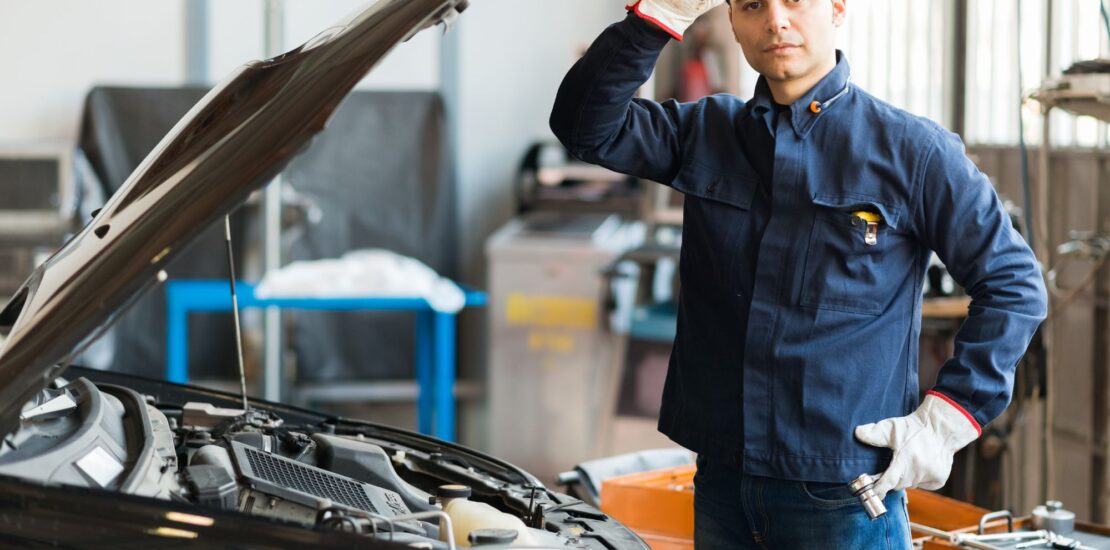
An auto repair shop background check helps shop owners reduce hiring risk while protecting vehicles, customers, and employees. Auto repair businesses face daily exposure to safety issues, property damage, and liability because employees work with customer cars, tools, parts, and payment information. A structured background check process supports safer hiring decisions and lowers the chance of costly mistakes.
At Sapphire Check, background screening is designed for employers that need fast, accurate, and FCRA-compliant results. Services include employment background checks, identity verification, criminal record searches, MVR checks, drug screening, and employment verification with nationwide coverage. Screening packages are customizable, so auto repair shop owners can align each background check with actual job risk.
Why Auto Repair Shop Background Checks Matter
Auto repair shops operate in a high-trust environment where employees often handle vehicle keys, test drive customer cars, and access secured areas. One unsafe or dishonest hire can lead to damaged vehicles, workplace injuries, or legal claims that far exceed the cost of screening.
Negligent hiring claims remain a serious concern for shop owners. If an incident occurs and proper pre-employment screening was skipped, the business may be held responsible. An auto repair shop background check documents that reasonable steps were taken to review criminal history, driving records, and work experience before hiring.
Risks Unique to Auto Repair Shop Hiring
Auto repair businesses face risks that differ from office or retail environments. Technicians work in safety-sensitive roles that directly affect customers once vehicles leave the shop. Errors, impairment, or misconduct can result in accidents, injuries, or property damage beyond the workplace.
Reputation also plays a major role. Auto repair shops depend on repeat customers and local trust. Theft, fraud, harassment, or unsafe behavior by employees can quickly harm a shop’s standing. Background checks help reduce these risks by confirming facts before access is granted.
What An Auto Repair Shop Background Check Includes
An auto repair shop background check includes several screening components based on job duties. Identity verification confirms that an applicant’s name, Social Security number, and address history are consistent and valid. This step helps reduce errors caused by aliases or inaccurate personal information.
According to research by the U.S. Office of Personnel Management, background evaluations, sometimes called background investigations, gather information on a person’s employment history, criminal record, and personal history to check reliability, integrity, and adjustment. These evaluations are used to identify historical facts that might interfere with an individual’s ability to perform a job, including any past violations of laws or regulations, making background screening a key step for roles involving trust and responsibility.
Criminal history checks review county, state, and federal records. County-level searches often provide the most reliable information on convictions. Multi-state and national criminal database screening helps identify other jurisdictions that may require further review, while sex offender registry checks may apply for public-facing roles.
Motor Vehicle Records Checks For Auto Repair Shops
Motor Vehicle Records checks are necessary for many auto repair positions. Technicians, service advisors, and managers may test drive vehicles or move customer cars on public roads. MVR checks review license status, violations, suspensions, and DUI history.
Even occasional driving creates exposure. If an employee with a poor driving record causes an accident during a test drive, the shop may face insurance claims or legal action. MVR checks help shop owners decide who may drive and under what conditions.
Drug Screening In Safety-Sensitive Auto Repair Roles
Drug screening supports workplace safety where heavy equipment, vehicle lifts, and road testing are involved. Impaired employees increase the risk of accidents, injuries, and equipment damage. Drug testing policies are common for mechanics, technicians, and driving roles.
Most auto repair shops use either a 5-panel or 10-panel drug test, depending on job risk and company policy. Screening should follow a consistent process and remain tied to job duties to support fair and defensible decisions.
Employment And Certification Verification
Employment verification confirms job titles, dates of employment, and past work history. This step helps identify inflated experience claims or unexplained gaps that may affect performance. For auto repair shops, employment verification supports proper placement and training decisions.
Education and certification verification also matter. Many shops value trade school training or ASE certification. Verifying credentials confirms they are valid and current, supporting quality repairs and customer safety.
Role-Based Screening For Auto Repair Shops
Not every position carries the same level of risk. Role-based screening allows shop owners to apply the right checks without overscreening low-risk roles. Mechanics and technicians usually require identity verification, criminal history checks, employment verification, and drug screening. MVR checks apply when driving is part of the role.
Service advisors and front desk staff often require criminal history checks and employment verification due to customer interaction and access to payment systems. Credit checks should only be used when financial responsibility is part of the job and permitted by law.
Screening Managers And Keyholders
Managers and keyholders often have access to cash, inventory, alarm systems, and sensitive information. Expanded criminal background checks and employment verification help reduce internal risk for these roles.
Some management positions may justify credit background checks when job duties involve financial authority. These checks must follow FCRA requirements, including written consent and job-related justification.
Building A Screening Package That Fits Your Shop
A strong screening program starts with job risk, not a generic package. Auto repair shop owners should define which checks are required for each role and document standards in a written policy. Consistency helps reduce compliance issues and unfair hiring claims.
Rescreening may also support risk management. Annual MVR checks for driving roles or periodic criminal reviews for keyholders help maintain safety standards and support insurance requirements.
If you are looking for a structured way to apply background checks across your auto repair shop, we offer screening solutions designed specifically for automotive hiring. Our background checks for auto repair shops support role-based screening, fast turnaround times, and FCRA-compliant processes that align with real job risk. This approach helps shop owners reduce liability, maintain safety standards, and move qualified candidates into roles without unnecessary delays.
FCRA Compliance For Auto Repair Shop Background Checks
FCRA compliance applies when using consumer reports for employment decisions. Employers must provide a clear disclosure and obtain written consent before running a background check. Disclosure forms must remain separate from other hiring paperwork.
When adverse information affects a decision, employers must follow pre-adverse action and adverse action steps. This includes providing a copy of the report and allowing time for disputes. Proper documentation supports fair treatment and legal compliance.
Data Security And Candidate Rights
Background check data contains sensitive personal information. Auto repair shop owners must restrict access and store records securely. Retention practices should align with federal and state requirements.
Candidates have the right to dispute inaccurate information. A structured dispute process protects both the applicant and the employer by correcting errors before final decisions are made.
Speeding Hiring Without Cutting Corners
Hiring delays affect daily operations. Background checks move faster when applicants provide complete information and when employers use efficient verification processes. Name variations and incomplete job histories often slow results.
Clear communication improves outcomes. Explaining screening steps and timelines helps reduce candidate drop-off and supports smoother onboarding.
Vendor And Contractor Screening
Auto repair shops often work with contractors, mobile technicians, and third-party vendors. These individuals may access shop property or customer vehicles. Vendor screening helps align outside workers with internal safety standards.
Third-party risk management protects the shop even when workers are not direct employees. Screening vendors for criminal history and identity verification supports consistent risk control.
Auto Repair Shop Background Check Checklist
- Mechanics and Technicians: Identity verification, county criminal search, employment verification, drug screening, and certification checks to confirm skills, work history, and safety readiness.
- Driving Roles: Motor Vehicle Records checks, criminal history, and drug screening to review license status, violations, and impairment risk.
- Service Advisors and Front Desk Staff: Criminal history and employment verification due to customer interaction and access to payment systems.
- Managers and Keyholders: Expanded criminal searches, employment verification, references, and credit checks when job-related because of financial and operational access.
Conclusion
Auto repair shop background checks support safer hiring, stronger risk management, and better business protection. Screening verifies identity, reviews criminal history, checks driving records, and confirms work experience before granting access to vehicles and equipment. A role-based approach keeps screening fair, efficient, and aligned with real job risk.
At Sapphire Check, auto repair shop background checks are built to match the realities of automotive work. The company offers customizable screening packages, fast turnaround times, and nationwide coverage while following FCRA requirements. Contact us to discuss background check options that help protect your shop and support confident hiring decisions.
FAQs
What is included in an auto repair shop background check?
Identity verification, criminal history checks, employment verification, and job-specific checks such as MVR and drug screening.
How long do background checks take for auto repair hires?
Most checks are completed within one to three business days, depending on records availability.
Do auto repair shops need MVR checks?
MVR checks are recommended when employees drive customer vehicles or company cars.
How do auto repair shops stay FCRA compliant?
By providing disclosure, obtaining consent, following adverse action steps, and protecting candidate data.

Esther Raitport works at Sapphire Background Check, where she helps companies strengthen their hiring procedures through reliable, legally compliant background investigations. She writes about hiring best practices, compliance, and smarter screening strategies for employers.